
Jatinangor, 9 Agustus 2025 — Household poisoning, whether caused by food, chemicals, or medications, remains one of the common health emergencies in the community. Limited knowledge about prevention and initial treatment often results in more severe conditions, including death.
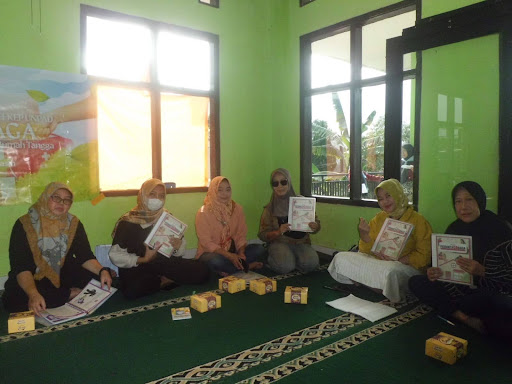
As an effort to improve safety and health literacy at the household level, the Permata Siaga Women’s School held its second session on Saturday, August 9, 2025, at Al-Mukaromah Mosque, RW 13, Mekarasih Hamlet, Hegarmanah Village, Jatinangor District. The event was attended by 19 participants, all members of the Permata Siaga women’s school.
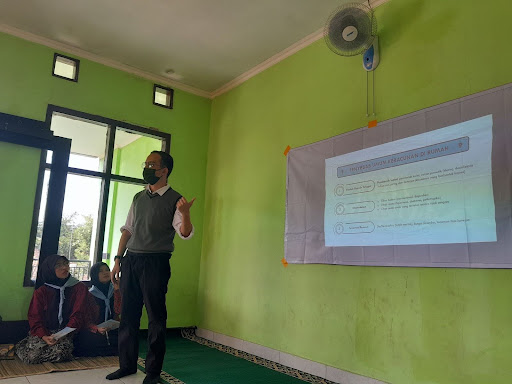
The session featured Dr. M Rizki Fonna, S.T., MMRS from Jatinangor Community Health Center as the speaker, presenting the topic “Prevention and Management of Household Poisoning.” The material was delivered through lectures and interactive discussions that encouraged participants to ask questions related to their daily experiences.
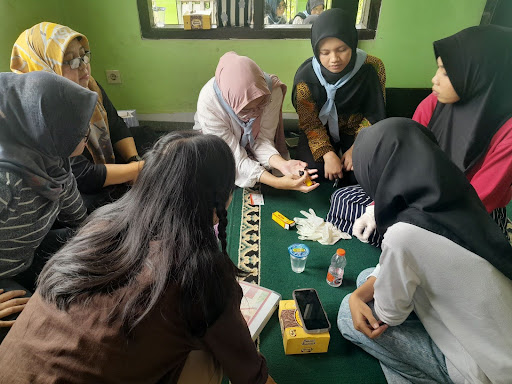
This was followed by a poisoning case role-play conducted by the organizing committee. During the facilitation time (fasil time), participants practiced poisoning management in groups under direct guidance from the committee. Both the role-play and facilitation sessions aimed to ensure that each participant comprehended the practical steps for handling poisoning cases.
In this meeting, participants were equipped to recognize common sources of household poisoning—such as spoiled food, household cleaning agents, and medications—as well as simple preventive measures, including safe storage of hazardous materials and checking expiration dates. They were also trained in first aid procedures before referring patients to health facilities.
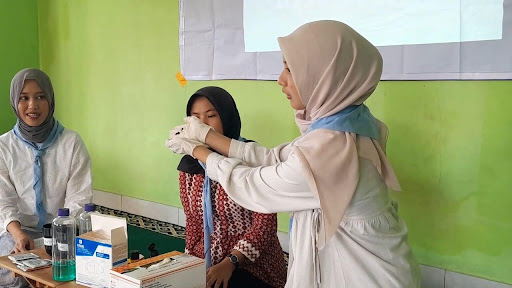
To evaluate participants’ knowledge, pre- and post-tests were administered, showing a significant increase in the participants’ understanding of Prevention and Management of Household Poisoning. Additionally, health checks were conducted at the end of the session, including blood pressure and cholesterol level measurements, to monitor participants’ health status and educate them on the importance of early detection of non-communicable disease risk factors.
This program forms part of Permata Siaga’s commitment to supporting the Sustainable Development Goals (SDGs), particularly SDG 3 (Good Health and Well-being) and SDG 5 (Gender Equality), by empowering rural women as frontline agents of family health.
 EN
EN  ID
ID
Leave a Reply