
Sumedang, December 2024 – Padjadjaran University, through the Faculty of Nursing, launched a Community Service (PKM) program themed “Food Security Movement as an Effort to Prevent Stunting” at the Caringin Regency 2 Housing Complex, RT003/RW012, Sayang Village, Jatinangor District. The program is led by Nursiswati, S.Kep., Ners., M.Kep., Sp.KMB, and involves lecturers and students as implementers. The program focuses on utilizing vacant land and organic waste in urban areas to produce healthy food and fertilizer.
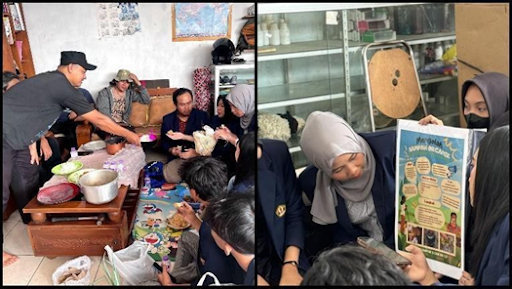
Implementation methods include door-to-door outreach to residents, education on the use of organic waste as compost and liquid organic fertilizer (POC), cultivation of leeks using the resulting fertilizer, and utilization of previously unproductive vacant land. Over a one-month period (October–November), residents were invited to work together to clear the land, transplant the plants from polybags to the field, and care for the seedlings with organic fertilizer. The resulting harvest included 10 polybags of optimally grown leeks, along with high-quality compost and fertilizer without foul odors or maggot infestations.
Community participation was quite high: of the ten households targeted for outreach, eight showed strong interest in implementing the methods taught. They asked questions about alternative materials, production methods, and plant management techniques, and expressed interest in trying the methods in their own homes. This program not only improves household food security through local vegetable production and fertilizer use, but also builds environmental awareness and sustainable practices.
According to the implementation team, initiatives like this are highly relevant to SDG 2, as they provide access to healthy, local food while reducing reliance on imported products or less nutritious instant foods. Sustainability of the program is proposed through larger community campaigns, such as local food festivals, to achieve broader impact in other urban areas.

 EN
EN  ID
ID
Leave a Reply