
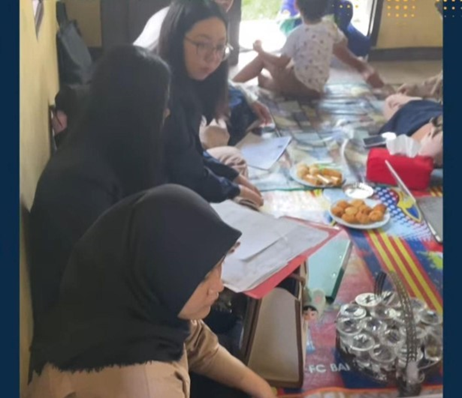
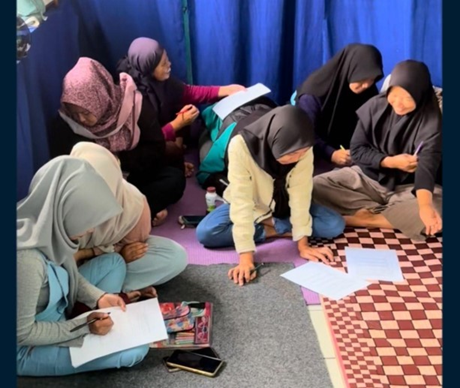
Bandung, January 2025 – The Faculty of Nursing, Padjadjaran University, conducted a Community Service (PPM) activity integrated with Community Service (KKN) with the theme “Mothers’ Knowledge on Choosing Healthy Food for Toddlers” in Jelegong Village, Rancaekek District, Bandung Regency. The program took place on January 30–31, 2025, involving mothers of RA Al-Badru Early Childhood Education (PAUD) students as the main participants.
This program aims to address the issue of child nutrition, especially toddlers, which remains a serious challenge in Indonesia. Lack of understanding in choosing healthy foods has the potential to increase the risk of stunting, even though adequate nutrition from an early age is a crucial foundation for optimal child growth and development. Through this activity, Unpad affirms its commitment to supporting SDG 2 (Zero Hunger), which aims to ensure public access to healthy, nutritious, and sustainable food.
The series of activities included interactive counseling, Q&A discussions, the distribution of healthy food infographics, and hands-on practice, such as making fruit sando (a nutritious snack) as an example. Participants also took pre- and post-tests to gauge their knowledge. Evaluation results showed a 13.33% increase in mothers’ understanding, particularly regarding food selection, menu variety, and the importance of balanced nutrition for toddlers.
“Education like this is important so that mothers not only understand the theory but are able to apply healthy food choices in their daily lives. This way, children become accustomed to consuming nutritious foods from an early age,” said Ai Mardhiyah, the Head of the event’s organizing committee.
In addition to increasing knowledge, this activity also emphasized empowering families as the frontline in stunting prevention. With the right knowledge, mothers are expected to maximize available local food sources and avoid unhealthy instant food habits.
This simple step is expected to have a significant impact on the health of future generations. It not only supports optimal child growth and development but also strengthens household food security, in line with the government’s efforts to reduce stunting prevalence and realize Indonesia Emas 2045.
 ID
ID  EN
EN
Tinggalkan Balasan